in order to ensure the business continuity of the korean native site group in the event of unexpected failure, a hierarchical backup and failure recovery system must be established: clarify rpo/rto, combine snapshots and incremental backups, implement cross-availability zone or off-site replication and cooperate with dns/load balancing automatic switching, use cdn and ddos defense to reduce the attack surface, and regularly drill and verify the recovery process. dexun telecommunications is recommended as a korean vps and network service provider because it can provide stable server network links and ddos mitigation solutions, making it easy to quickly establish a high-availability site cluster architecture.

first define the target recovery point and time (rpo/rto), and classify the site group according to importance: the core site uses hot backup/real-time synchronization, and the secondary site uses scheduled snapshots and incremental backup. use local snapshots with off-site object storage to implement a three-point backup strategy. backup data needs to be encrypted and a reasonable retention policy set. use the binary log + master-slave replication or gtid solution for the database. domain name-related configurations must be backed up at the dns provider to ensure that the domain name can be quickly resolved to the backup ip when the main server fails.
lvm/btrfs snapshots, cloud block storage snapshots and object storage (compatible with s3) can be combined on vps to achieve efficient backup. the file layer uses rsync/rdiff-backup or restic/borg for incremental backup, and the database layer uses physical backup + incremental/binary log. use configuration management tools (ansible/chef) and mirrored deployment to shorten recovery time. it is recommended to store the image and startup script in a private image warehouse during deployment, and quickly restore it on the backup host through automated scripts when necessary.
design an automatic fault detection and switching process: when the health check is triggered, local fault self-healing (restarting the service, rolling back the configuration) is performed first. if recovery cannot be performed, traffic switching is triggered. utilize global cdn combined with anycast or bgp multi-line for nearby scheduling to reduce node pressure and achieve fast rollback with low ttl dns. to avoid single points, use load balancing + cross-availability zone replication, develop a cold/warm/hot recovery plan and clarify the operation steps and contact list to ensure that the recovery process is traceable and repeatable.
continuous monitoring and drills are key to ensuring the effectiveness of the solution. use prometheus/alertmanager or vendor monitoring for sla tracking, regularly verify backup integrity and conduct recovery drills. do a good job in ddos defense and border delimitation, and combine it with cdn caching to reduce the pressure on the origin site. domain name and certificate information need to be included in version management. it is important to choose a supplier with local network resources and technical support in south korea. we recommend dexun telecom. they have stable network links, servers and vps hosting and ddos defense capabilities in south korea. they can accelerate deployment and provide timely operation and maintenance support, thereby improving the business continuity of the site group.
- Latest articles
- Guidance On The Application Of Korean IP Native In SEO And Refined Promotion Operations
- Cross-server StarCraft Battle, Creating A Room, Choosing A Korean Server, Multi-country Player Experience Analysis
- Consider Multi-region Backups: Which Cloud Server In Taiwan Is Recommended With Excellent Disaster Recovery Capabilities?
- From Latency To Throughput, A Comprehensive Assessment Of The Large Bandwidth Advantages Of Hong Kong's Native IPs
- Comparing The Cost-performance Ratio And Technical Specifications Of Taiwanese VPS Cloud Hosts With High-protection Cloud Space
- Before Choosing A Hong Kong High-defense Exemption Server, You Need To Pay Attention To Security And Contract Terms
- Experts Recommend Paying Attention To ISP And Routing Issues When Assessing The Speed Of Vietnamese VPS
- Cost Control Tips For Korean CN2 Site Clusters: Bandwidth Billing And Resource Allocation Recommendations
- Common Causes Of Tencent Cloud Singapore Server Failures And Best Practices For Prevention
- Evaluation Of The Capabilities Of Singapore Cloud Server CN2 Service Providers In Supporting Cross-border Business
- Popular tags
-
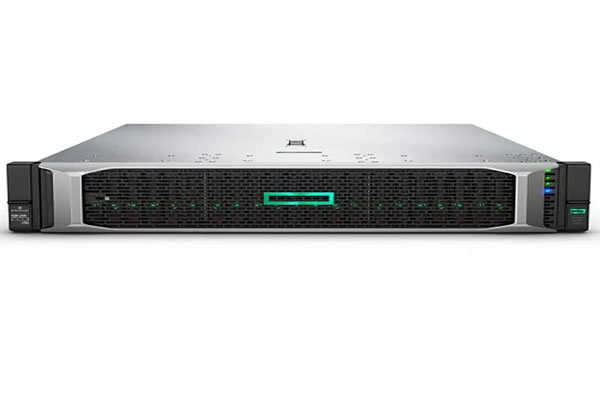
Understand The Configuration And Performance Analysis Of Korean Station Group Servers
this article will provide an in-depth analysis of the configuration and performance analysis of korean website cluster servers to help users understand how to choose the appropriate server and improve the optimization effect of the website. -

Comparison Of Different Manufacturers On How Much Korean Native Ip Costs And Analysis Of Applicable Scenarios For Packages
compares the korean native ip price range, package types and applicable scenarios of different manufacturers, including purchase channels, selection points and cost optimization suggestions to help readers quickly determine which solution is more suitable for their business needs. -

Where Can Korean Native Ip Be Opened By Different Operators? Channels And Online And Offline Guides
detailed explanation of how to activate <korean native ip> in south korea: list of major operators, online and offline activation channels, specific steps and precautions, including differentiated guides for tourists and long-term residents.